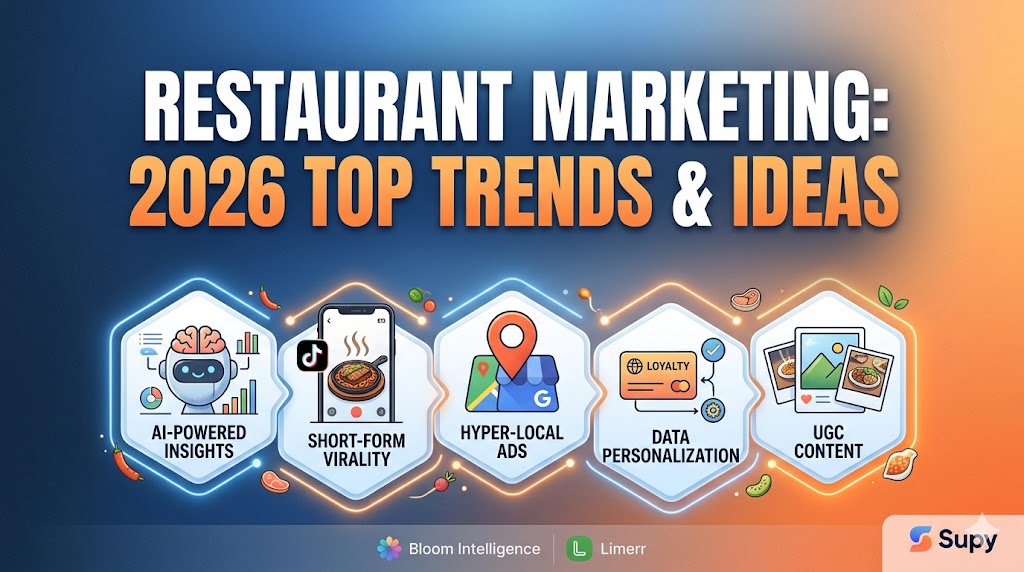
The 2026 Restaurant Marketing Playbook: Top Ideas and Trends to Drive Growth
In 2026, the restaurant industry is no longer just about serving great food; it’s about mastering the “experience economy.” With diners looking for more than a meal, your marketing needs to be smarter, faster, and more personal.
From AI-driven tools to hyper-local social media strategies, here is how you can stay ahead of the competition.
1. Leverage AI-Powered Marketing
Artificial Intelligence has moved from a “cool tech feature” to a core business requirement. In 2026, top restaurants are using AI to:
- Predictive Analytics: Use tools to analyze competitor data and local demand to adjust your menu or pricing in real-time.
- Automated SEO: Use AI to generate SEO-optimized descriptions for your menu items, helping you rank higher when someone searches for “best pasta near me.”
- Smart Bidding: Utilize Google Performance Max ads to automate your local advertising and capture high-intent diners.
2. Master Short-Form Video Virality
Platforms like TikTok, Instagram Reels, and YouTube Shorts are the new digital storefronts.
- The “Cheese Pull” Factor: Focus on high-sensory videos—sizzling plates, pouring sauces, or behind-the-scenes “chef life.”
- Theatrical Presentations: Highlight unique menu items that can’t be easily replicated at home, such as tableside preparations or artistic plating.
- Collaborate with Local Foodies: Partner with local micro-influencers who have high engagement in your specific neighborhood rather than just a large follower count.
3. Prioritize Hyper-Local Engagement
Success in 2026 is found in your own backyard.
- Google Business Profile (GBP): This is your most valuable asset. Keep it updated with professional photos, current hours, and respond to every review—both positive and negative.
- Community Partnerships: Host “Local Themed Nights” or collaborate with nearby retail shops for cross-promotions.
- Hyper-Local Hashtags: Use specific neighborhood tags (e.g., #SohoEats or #BrooklynBrunch) to capture local search traffic.
4. Drive Data-Driven Personalization
Generic “10% off” emails are out. Personalized experiences are in.
- First-Party Data: Use guest WiFi logins or reservation systems to collect data. This allows you to send a birthday discount or a “we miss you” offer for their favorite dish.
- Direct Ordering: Encourage customers to order through your restaurant’s website instead of third-party apps. This keeps the data in your hands and saves on commission fees.
- SMS Marketing: Send time-sensitive “Happy Hour” alerts or exclusive flash deals directly to customers’ phones to drive traffic during slow mid-week periods.
5. Focus on the “Vibe” and User-Generated Content (UGC)
Diners are your best marketers. If your restaurant is “Instagrammable,” they will do the work for you.
- UGC Contests: Encourage diners to post photos with a specific hashtag for a chance to win a VIP dinner.
- Experience-Driven Atmosphere: Invest in lighting and decor that looks great on camera. The “vibe” is now as important as the flavor profile.
2026 Marketing Checklist for Success
| Strategy | Frequency | Key Goal |
| Update Google Profile | Weekly | Local Visibility |
| Post Short-Form Video | 3x Weekly | Brand Awareness |
| Email/SMS Campaigns | Bi-Weekly | Customer Retention |
| Influencer Outreach | Monthly | New Audience Reach |
Pro Tip: Allocate between 3% to 6% of your total sales to your marketing budget. In a crowded market, staying visible is the difference between a full house and empty tables.